news

March 2026

World Rewilding Day

2026-03-02T15:03:44+00:00

March, 20th is World Rewilding Day. What does this have to do with biological pools? - Biological pools attempt to follow nature's model as closely as possible, especially in terms of planting. We select appropriate species for each type of filling water, and the planting composition strictly follows the phytosociological standard. That is, we [...]

World Rewilding Day2026-03-02T15:03:44+00:00

Stormwater outlet

2026-03-02T15:03:16+00:00

The stormwater outlet or overflow pipe is an often overlooked part of a biological pool, but it's crucial for the proper functioning of the system. Water falling on the surface increases the amount of water in the pool. If it's more than a drizzle, it results in a rise in the water level relative [...]

Stormwater outlet2026-03-02T15:03:16+00:00

February 2026

Endangered plants

2026-02-02T07:37:18+00:00

February 2nd marks World Wetlands Day, a date that reminds us that around 20% of aquatic plant species globally are threatened and are on the IUCN Red List. In Portugal, the situation of aquatic flora and wetlands is particularly critical, presenting threat percentages significantly higher than the world average. According to the Red List [...]

Endangered plants2026-02-02T07:37:18+00:00

A round thing

2026-02-02T07:36:03+00:00

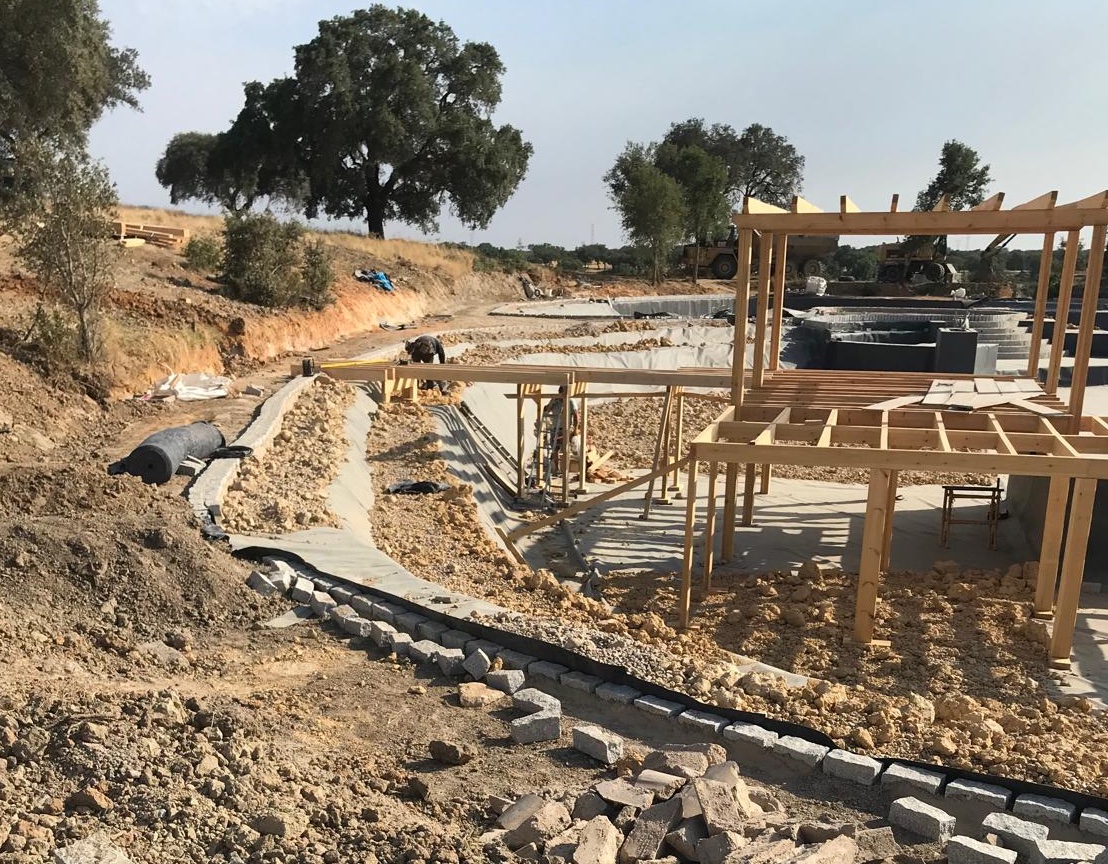
There are numerous abandoned tanks in Portugal. Many are out of use, either due to the existence of new irrigation solutions or the complete abandonment of agricultural activity. However, if the tank is deep enough, it can be transformed into a biological swimming pool. The external circular shape is maintained. Inside, separation walls are [...]

A round thing2026-02-02T07:36:03+00:00

Swimming naturally

2026-02-02T07:35:35+00:00

Biological swimming pools are becoming a true lifestyle choice. For those seeking to actively contribute to combating the dual crisis of global warming and biodiversity loss, this is the ideal choice. Whether in the private, tourist, or municipal sphere, they always represent a gain for public health, offering soft water regenerated solely by biological [...]

Swimming naturally2026-02-02T07:35:35+00:00

January 2026

Important small ones

2026-01-07T09:14:58+00:00

The modest Lesser Skullcap plant is emblematic of the critical, often small, species used as marginal planting in our biological swimming pools. Biodiversity requires a wide and varied offering of species, which collectively provide structure, sustenance, and shade for the swimming environment. This plant is obscure and difficult to source in standard aquatic nurseries. [...]

Important small ones2026-01-07T09:14:58+00:00

For tourists

2026-01-07T09:14:33+00:00

Natural swimming pools for tourist use require special attention. On one hand, they need to be very individual, to be part of the differentiation of the tourism product in which they are included; on the other hand, they must present some characteristic elements. In a tourism development, whether large or small, the natural swimming [...]

For tourists2026-01-07T09:14:33+00:00

Cleaning

2026-01-07T09:13:47+00:00

Those who clean their house do so because they expect visitors. And those who clean their biological pool take care of it not only for themselves, but also for nature. From an ecological point of view, a biological pool is a permanently wet area, but quite small in size. Everything that comes from outside [...]

Cleaning2026-01-07T09:13:47+00:00

November 2025

Rocks

2025-11-07T15:38:49+00:00

It's not uncommon for rocks to be the preferred decorative element for adorning the edges of a biological pool. While personal preferences always exist, we can establish some rules for choosing the stones to be used near the water. First, the rock must be waterproof, meaning it shouldn't crumble, release chips or minerals into [...]

Rocks2025-11-07T15:38:49+00:00

Mating time

2025-11-07T15:36:20+00:00

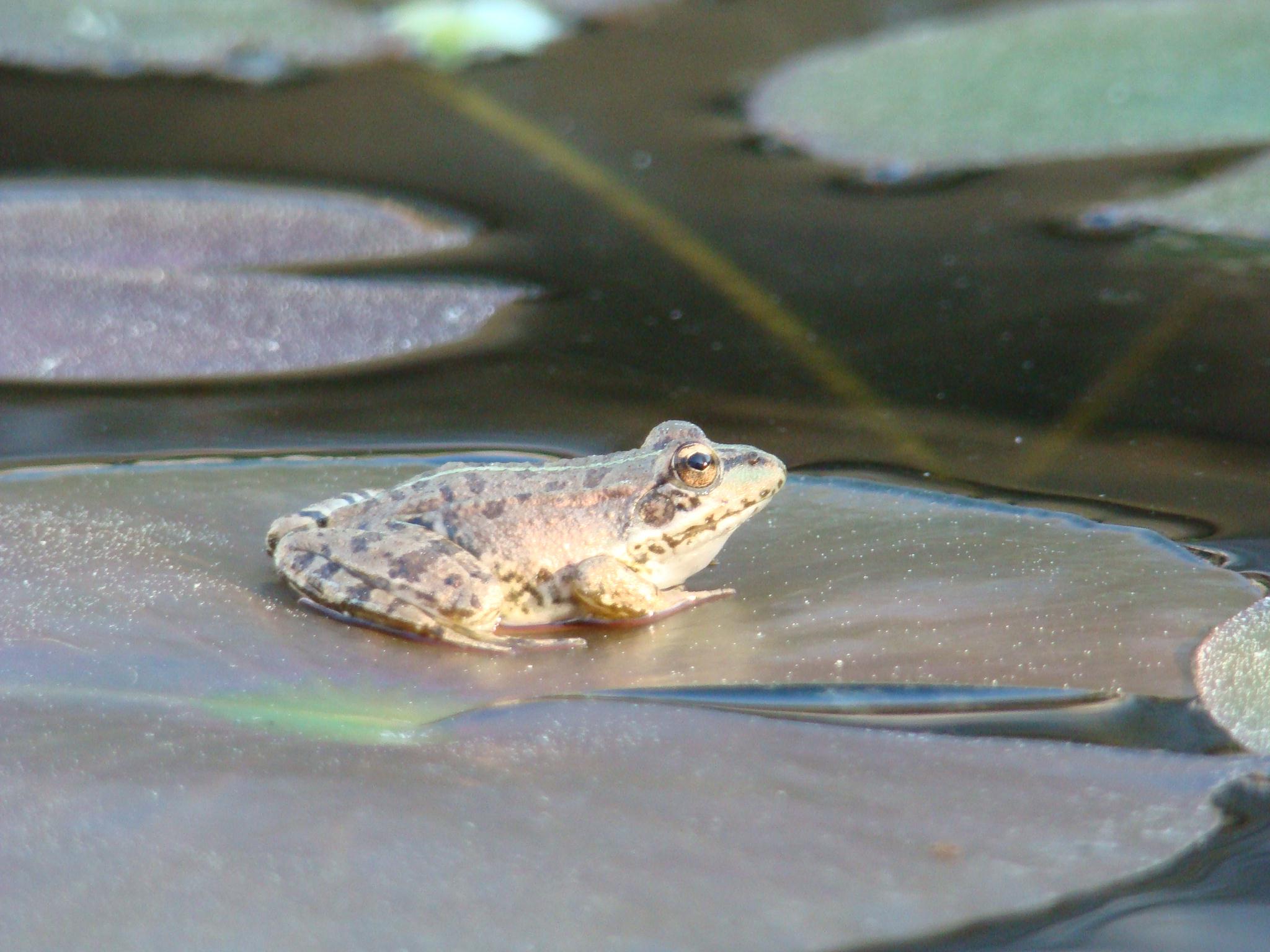
With the first Autumn rains, the mating season begins for many Iberian amphibian species, unlike in Central Europe, where Spring is the preferred season. In much of the Iberian Peninsula, the comparatively mild weather, with rainy nights, motivates species of tree frogs, toads, and newts to migrate to wetlands. It is not uncommon for [...]

Mating time2025-11-07T15:36:20+00:00
Go to Top