What is a biological swimming pool?
 Important to know
 Beyond the swim
 How to build
 Compare
 PB 22.000
 Biological swimming pools of Public use
 Janguiscina
 Who we are
 Biological swimming pools
 Landscape architecture
 ETAP
ETAP Solar Sauna
 Rewilding
 News
News Photo of the month
 Gallery
 Holidays with Swimming Pond
 Testimonials
 Awards
 Biological swimming pools around the World
 Piscinas Biológicas® – Live
 FAQs
FAQs Downloads
 Shop
Shop

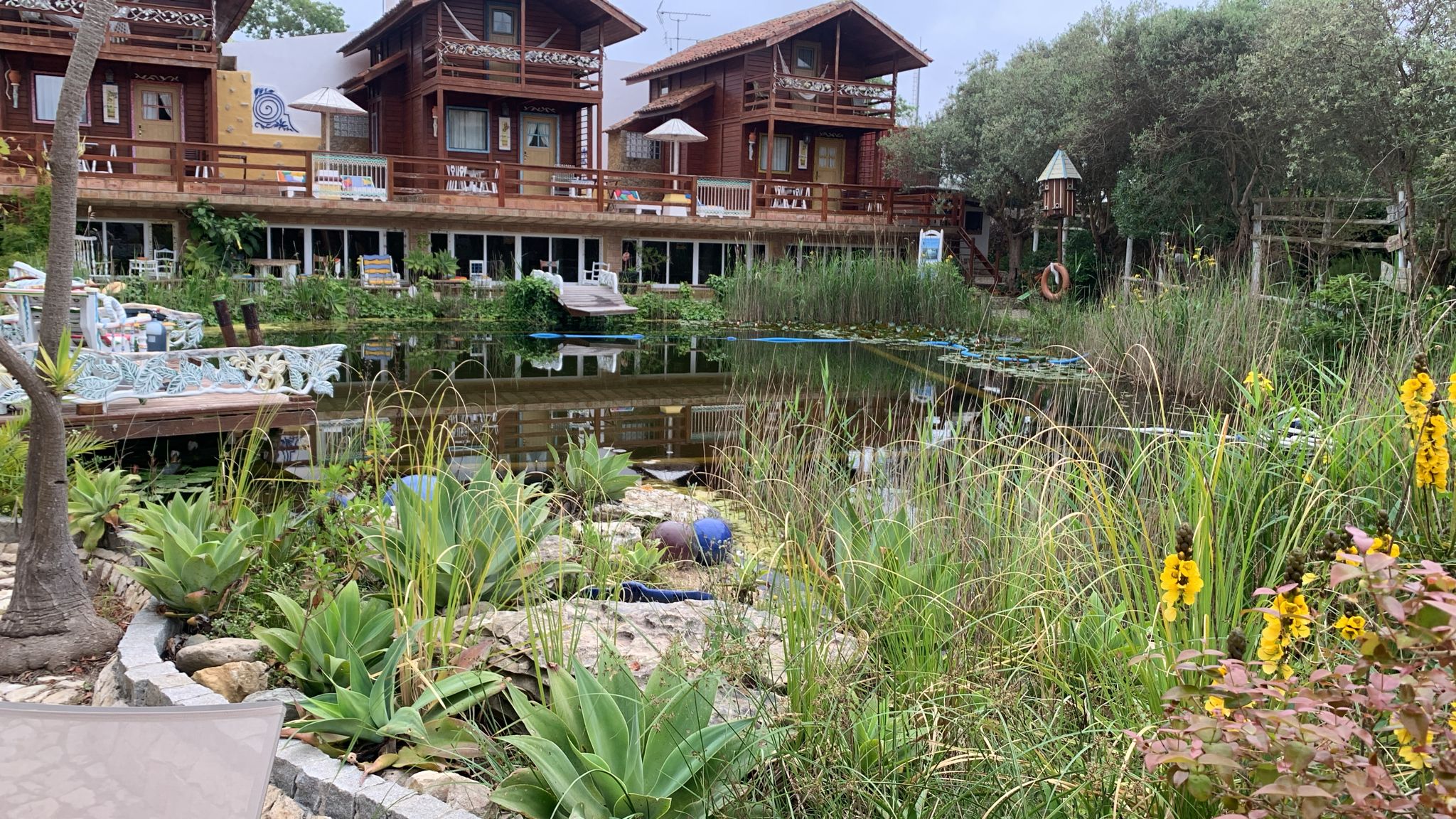
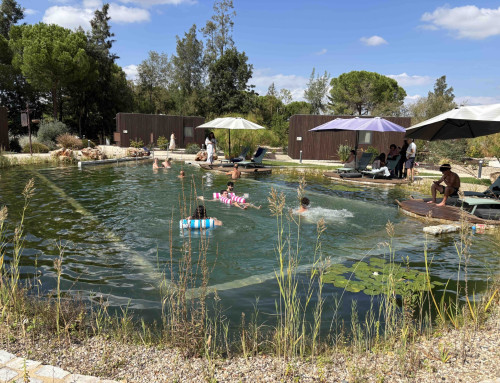
Just like natural lakes, every biological pool possesses its own characteristics that make it unique. Factors such as its placement on the terrain, exposure to sun and prevailing winds, interaction with surrounding vegetation, shade, and leaf fall all determine how a natural pond or biological pool develops. In the case of the latter, the waterproofing membrane and edge finishes protect it from external elements like local soil types and rainwater runoff into the water’s surface.
However, each biological pool is also singular in another sense: its planning. Here, the clients’ ideas emerge as the dominant factor. While some prefer a large wooden deck, others prioritize massive rocks for decoration and stone paving for lounging areas. Therefore, understanding the owners’ preferences is fundamental to the dialogue between designers and clients, ensuring a truly bespoke design.
After one year, no biological pool remains exactly as it was initially designed. This is due to the surrounding environment of the site, which creates a unique backdrop through its own vegetation and views. Beyond this, there is an even more decisive factor in the individualization of each project: plant growth. Since they have an abundance of water and were selected based on its physical-chemical characteristics, the vegetation takes center stage – whether in the form of a carpet of water lilies or the diversity of marginal plants. It is this individual green mantle that “dresses” each biological pool, making it truly unique and unmistakable.