What is a biological swimming pool?
 Important to know
 Beyond the swim
 How to build
 Compare
 PB 22.000
 Biological swimming pools of Public use
 Janguiscina
 Who we are
 Biological swimming pools
 Landscape architecture
 ETAP
ETAP Solar Sauna
 Rewilding
 News
News Photo of the month
 Gallery
 Holidays with Swimming Pond
 Testimonials
 Awards
 Biological swimming pools around the World
 Piscinas Biológicas® – Live
 FAQs
FAQs Downloads
 Shop
Shop

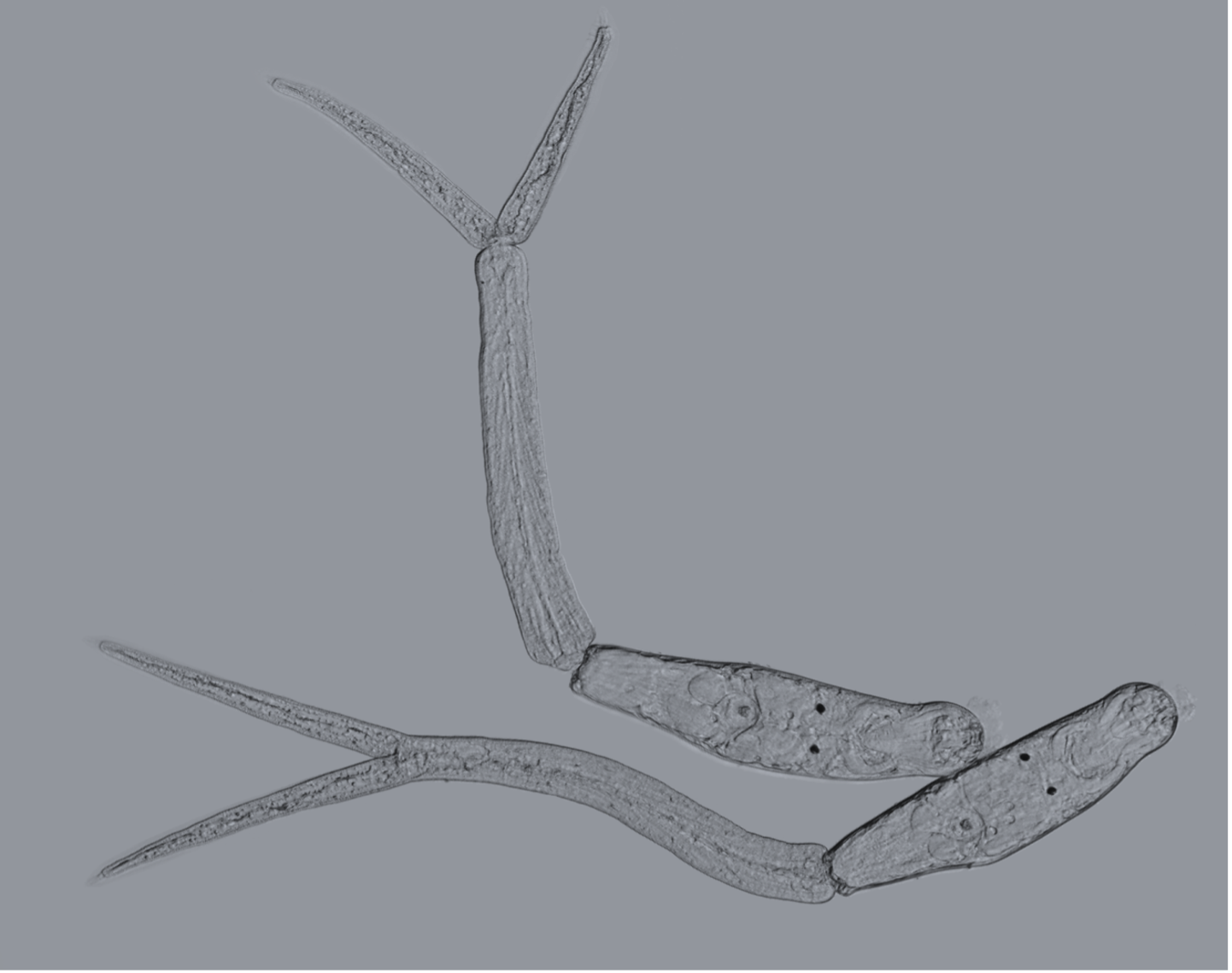
The case regarding cercariae at the Alqueva dam is an unprecedented scientific discovery in Portugal, made public in late September 2026. It was discovered in the context of a study by the Institute of Hygiene and Tropical Medicine of the Nova University of Lisbon and published in the scientific journal Science in One Health.
For the first time in Portugal, the presence of the parasite Trichobilharzia franki in freshwater snails of the species Radix auricularia was confirmed through genetic analysis.
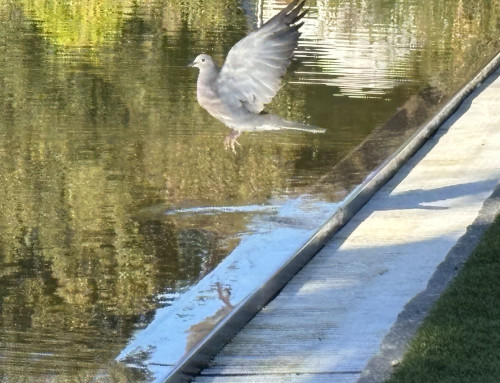
Cercariae are the larval stages of these parasites that leave the snails (intermediate hosts) to infect waterbirds (the definitive hosts). However, if they accidentally come into contact with human skin in the water, they may attempt to penetrate it.
Although humans are not suitable hosts for the parasite’s life cycle (meaning it does not cause a severe or fatal systemic infection), the penetration of the larvae into the skin can trigger cercarial dermatitis, a very bothersome skin allergic reaction commonly known as “swimmer’s itch.”
Since the rule is always to keep waterfowl away from biological pools, the danger of catching swimmer’s itch in a biological pool can be eliminated.